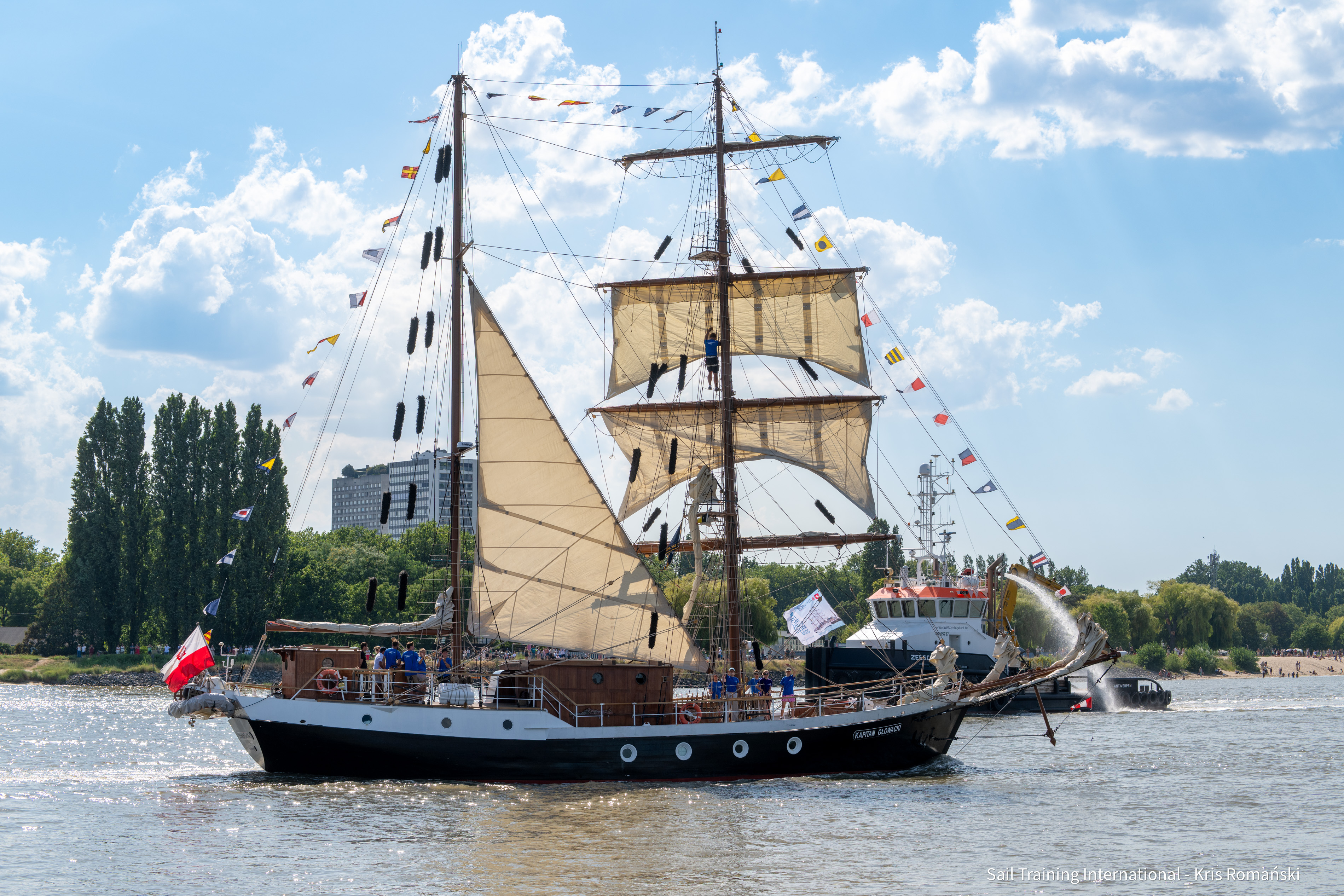
Kindness at Sea: An Interview with the Captain of Kapitan Głowacki
Interview with Michał, Captain of Kapitan Głowacki
Being a captain is so much more than just steering a vessel.
We caught up with Michał; captain of Kapitan Glowacki during in Harlingen, following a successful first race win during The Tall Ships Races 2026.
Here’s what he had to say about the highlights of Race 1, the challenges faced and winning the ‘Best Crew Award’.
Q: Michał, how long have you been participating in The Tall Ships Races?
Michał: I actually haven’t taken part in many Tall Ships Races. I started in 2013 as the Captain of a Class C vessel, then I had quite a long break. For many years I worked on Fryderyk Chopin, but most of the time I was responsible for preparing the ship for the races before handing over to another captain, so I wasn’t actually racing myself.
In 2017 or 2018 I completed a few races as captain of Fryderyk Chopin. We were quite successful and won most of them. Then, three years ago, I was given command of my own Class A vessel. So, I’m not as experienced a race Captain as people might think!
Q: When young people first come on board, do you have a sense of who will immediately thrive and who might take longer to adjust?
Michał: I don’t know if I can call it a sixth sense, but yes, I do make that kind of evaluation. When a new crew arrives, we do basic training and then divide them into watches that will operate the ship. We try to build those watches evenly, with a mix of men and women, different ages, strengths, and sailing abilities.
We have to make these assessments after spending only half an hour or an hour with people, and often we know almost nothing about them.
Sometimes I’m surprised by how accurate those initial impressions are. Other times I’m completely wrong. There have been occasions where I’ve underestimated someone, only to discover during the race that they’re one of the most engaged and committed people on board.
Ultimately, that’s what we need from them. We need them to contribute their time, energy, and strengths to the team.
Q: I imagine that’s quite difficult to gauge until you’re actually racing together.
Michał: It’s almost impossible.
Q: Congratulations on your first-place finish in Race One.
Michał: Thank you. It wasn’t an easy race.
Q: What were your race highlights?
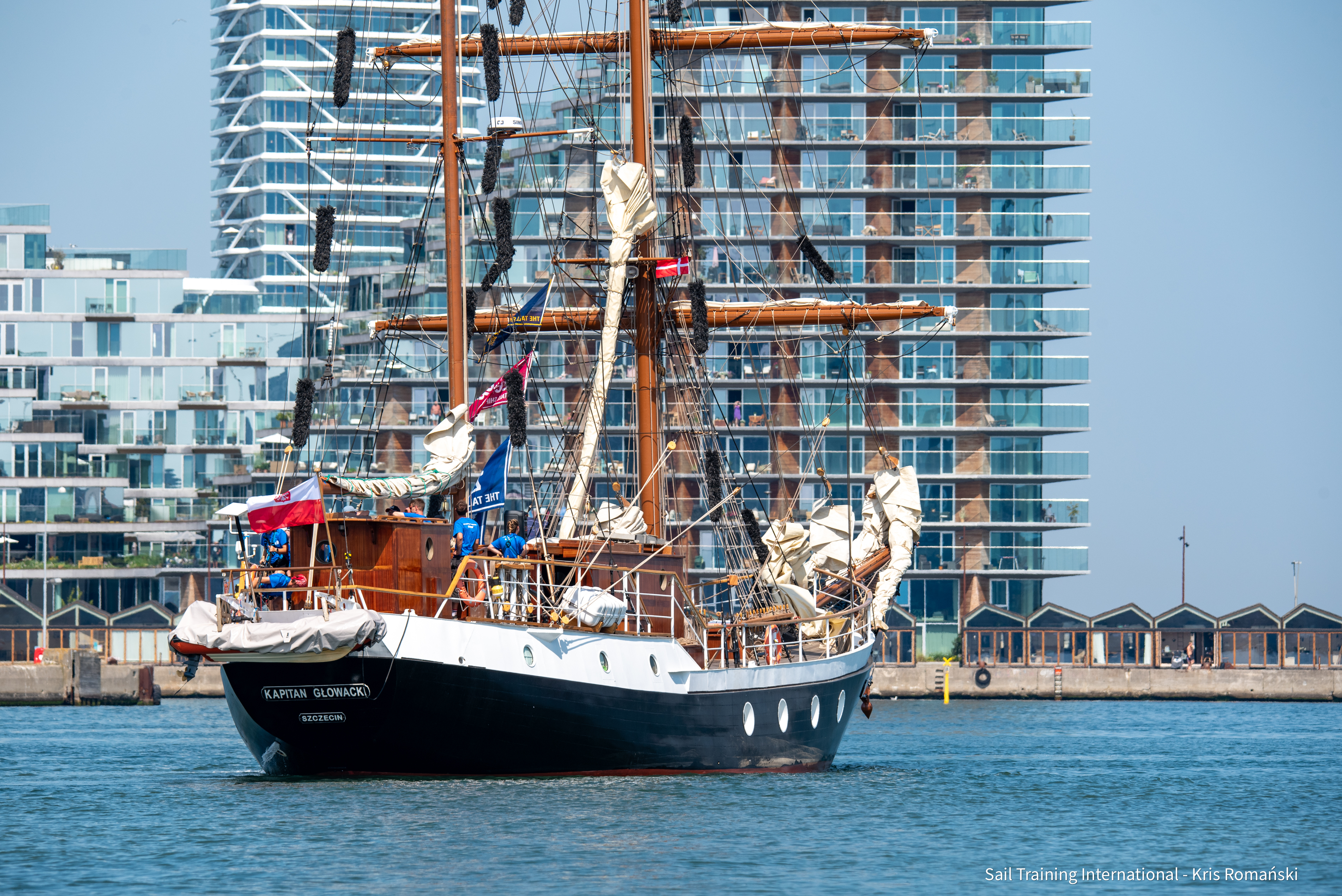
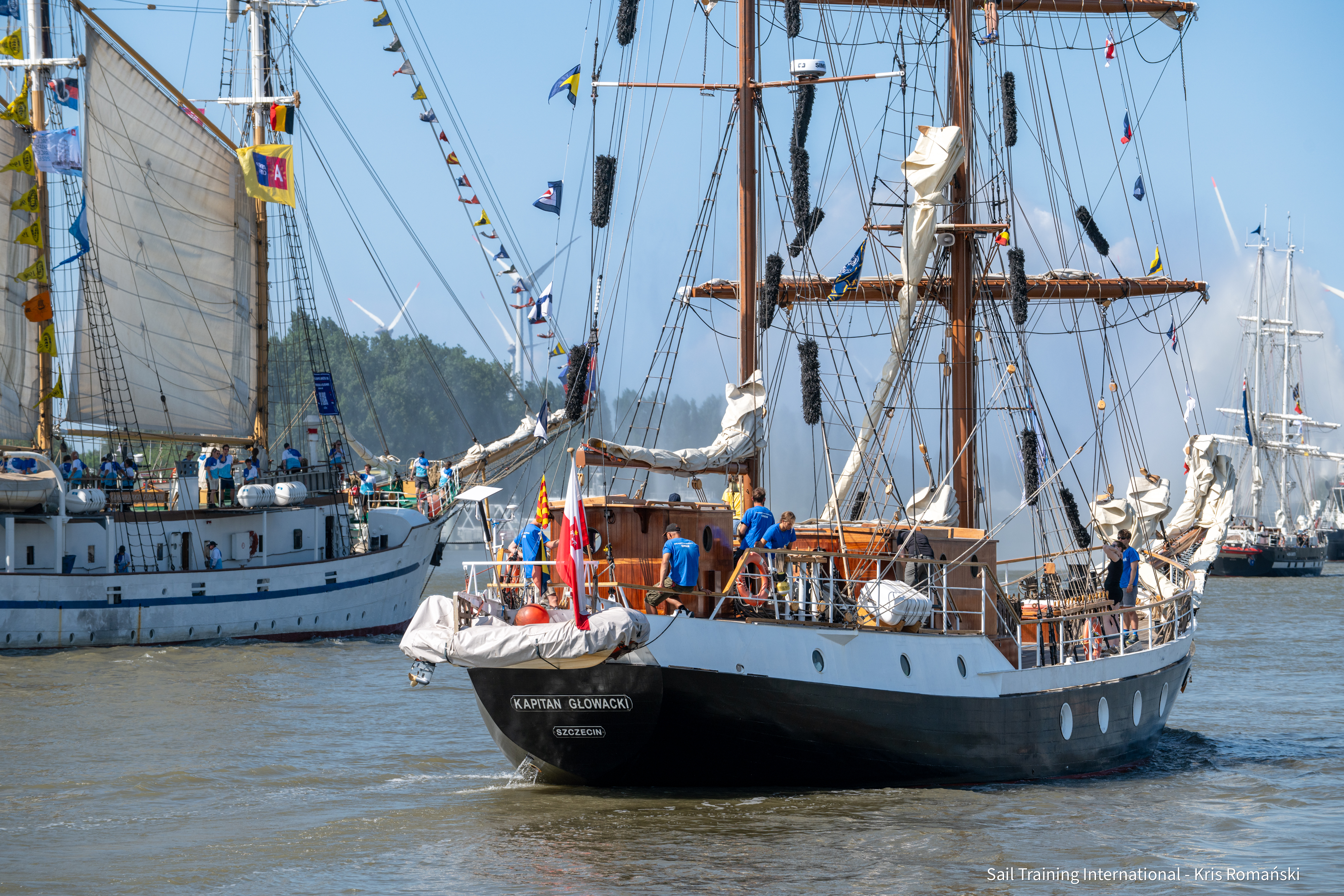
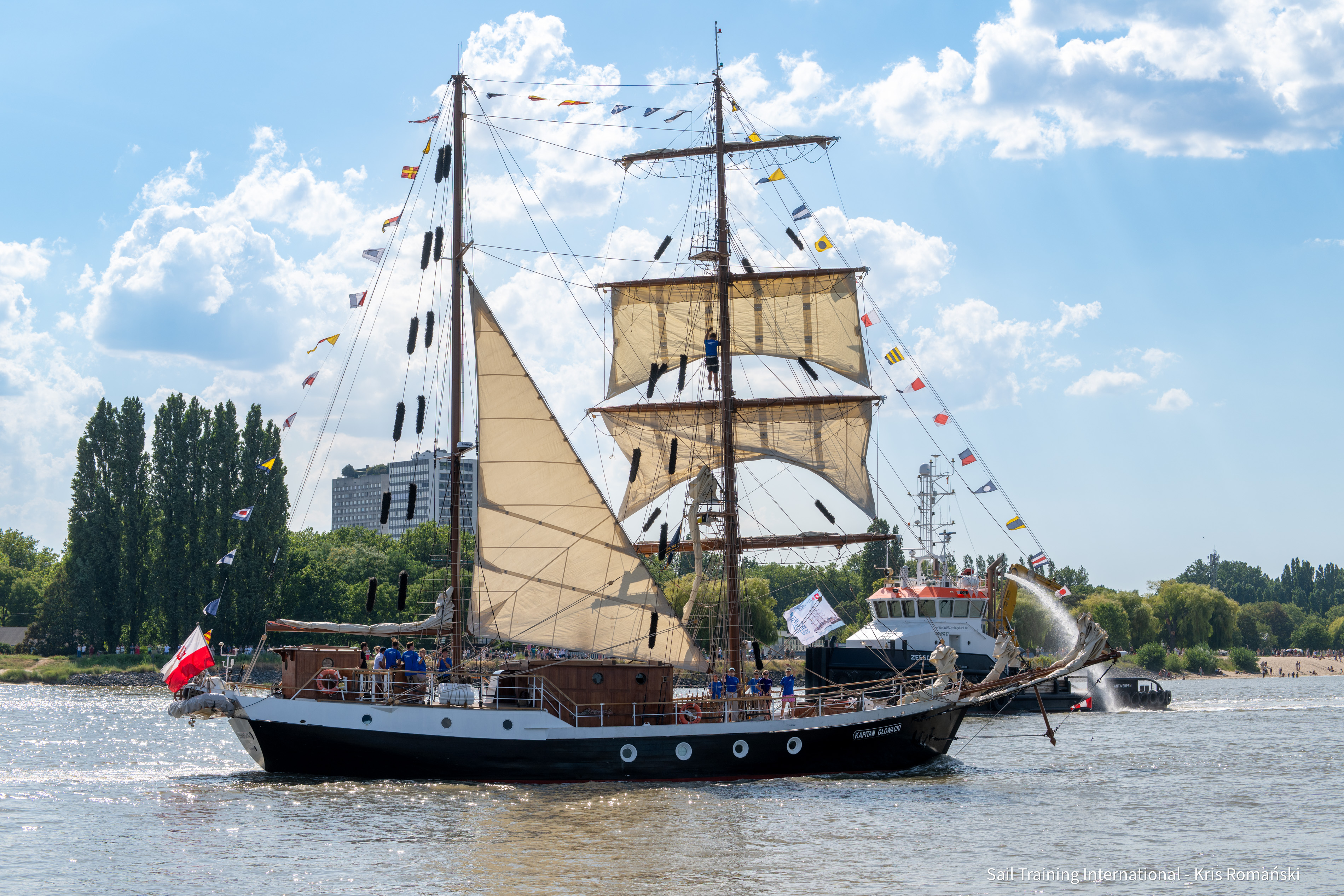
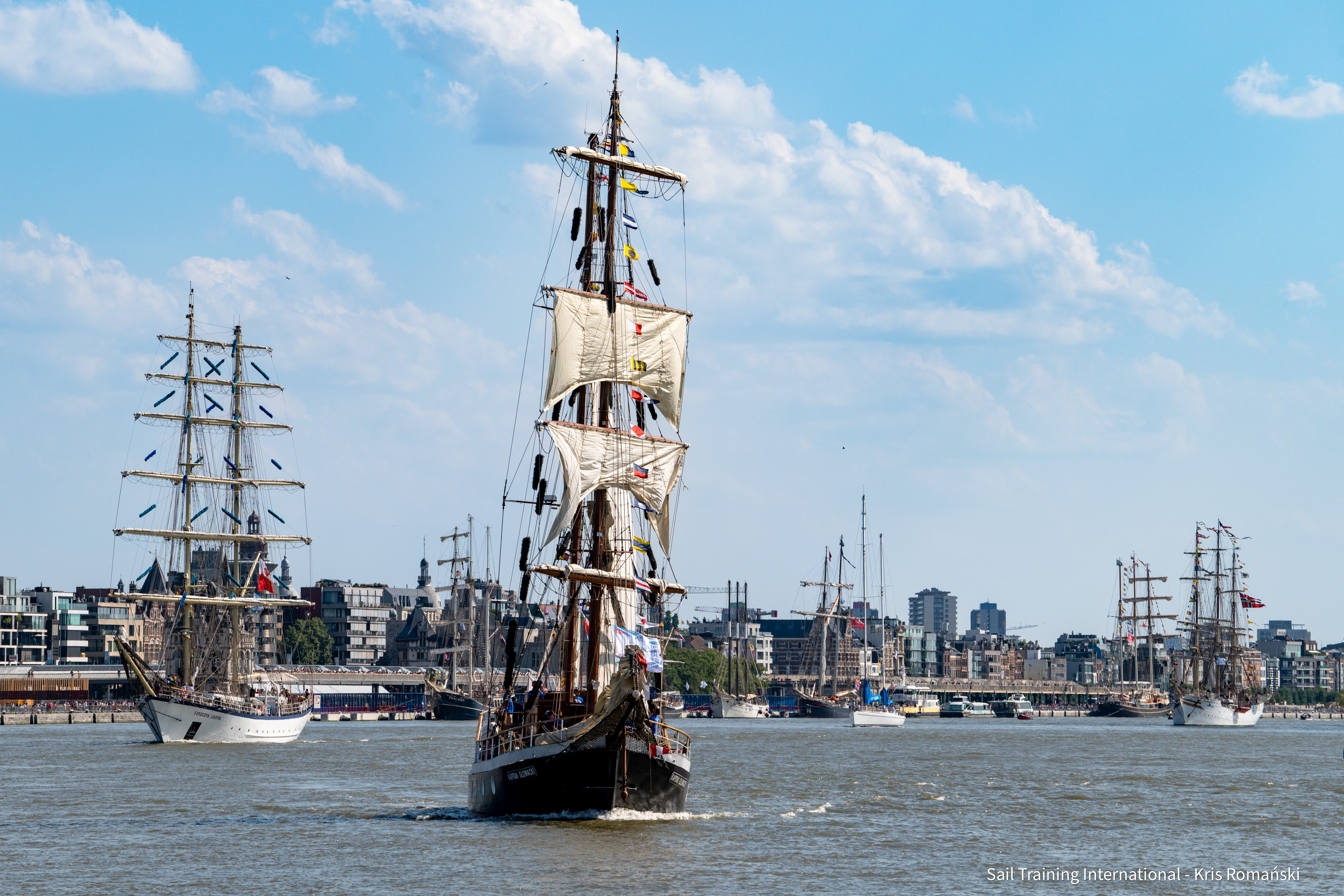
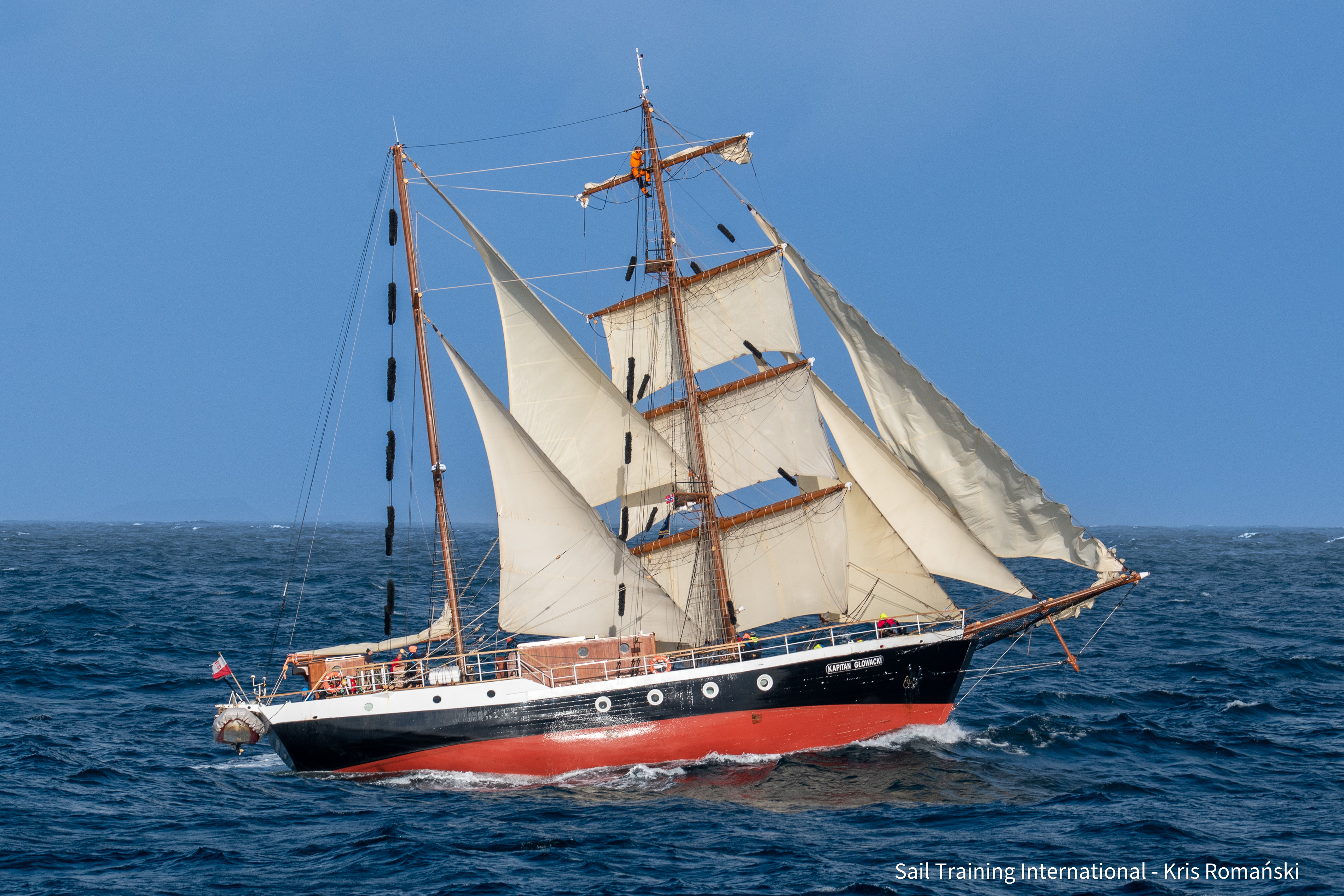
Michał: This was my eighth or ninth race on Kapitan Głowacki. We’ve won trophies before, including last year and three years ago, but in most races we’ve been somewhere in the middle of the fleet. We benefit from a favourable correction factor, and the crew always gives their best, so we try to get as much performance out of the boat as possible.
During this race, though, we were actually leading the fleet. Of course, vessels like Dar Szczecina and Esprit were many miles ahead of us, but they’re among the fastest ships in the race, real regatta machines.
We’re essentially a fishing cutter that was rebuilt into a tall ship, so seeing Kapitan Głowacki leading the fleet was very special. I even took a screenshot from the Yellow Brick tracking app showing us at the front of the fleet. I think I’ll hang it up somewhere, maybe in my cabin, or even at home in my bedroom!
Q: What were some of the biggest challenges you faced as captain, and how did the trainees respond?
Michał: Whenever something goes wrong on a ship, whenever something breaks or doesn’t work as expected, it becomes a real challenge during a race because there’s very little time to react. You often need to make decisions almost instantly.
We had one situation during the first phase of the race where I wanted to reduce sail because of strong winds, but we couldn’t. Some ropes had become jammed and the sail was stuck. We had to quickly find another solution.
The trainees stepped up brilliantly. Some of them had to climb the mast and work aloft to solve the problem. That’s their job, not mine! Together, we managed to fix the situation and continue racing.
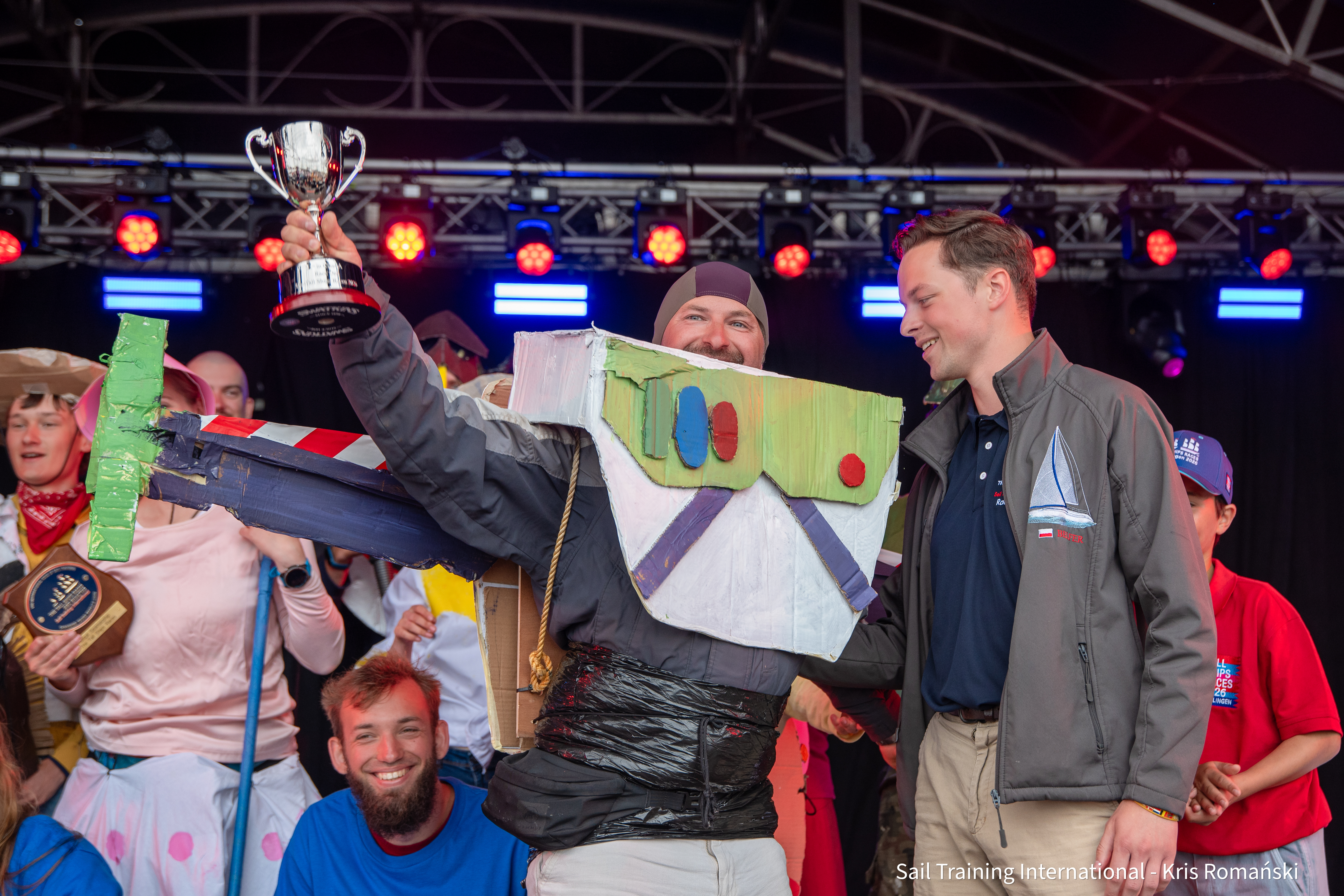
Q: During race 1, your actions resulted in you winning the ‘Best Crew Award’ during the prize-giving ceremony in Harlingen. Could you please tell us about what led to that achievement?
Michał: There isn’t really much to say. The captain of Belfer came to us and asked if we could help. That’s something every sailor should do. It’s the obvious thing to do.
They asked, and we helped.
Sailing has always been about community and helping one another. Throughout my own sailing career, I’ve received help, advice, and guidance from people on other boats when I’ve needed it.
Because of that, the decision was made within seconds, without any hesitation. It was simply a matter of giving back what I’ve received from others. That’s just part of being a sailor.